
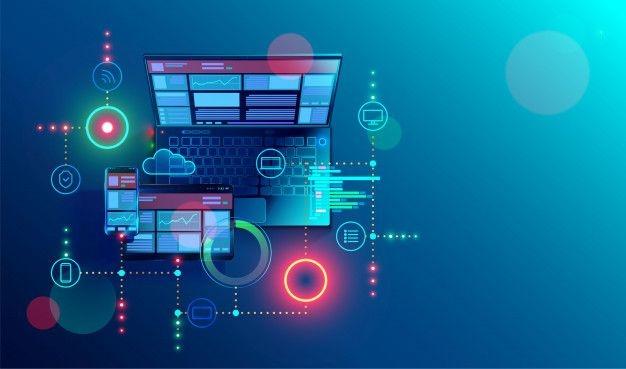
Desktop software development begins by selecting an appropriate platform approach: native options (Windows/macOS/Linux), cross-platform tools, and the distribution model. A clearly defined MVP and an initial prototype help confirm workflows, performance requirements, and the general user experience on actual hardware.
As the product evolves, reliability, updates, and packaging take center stage. Thoughtful management of file systems, permissions, offline capabilities, and integrations (device APIs, peripherals, enterprise authentication) makes the application dependable in everyday use, while an update system and crash reporting ease ongoing maintenance.